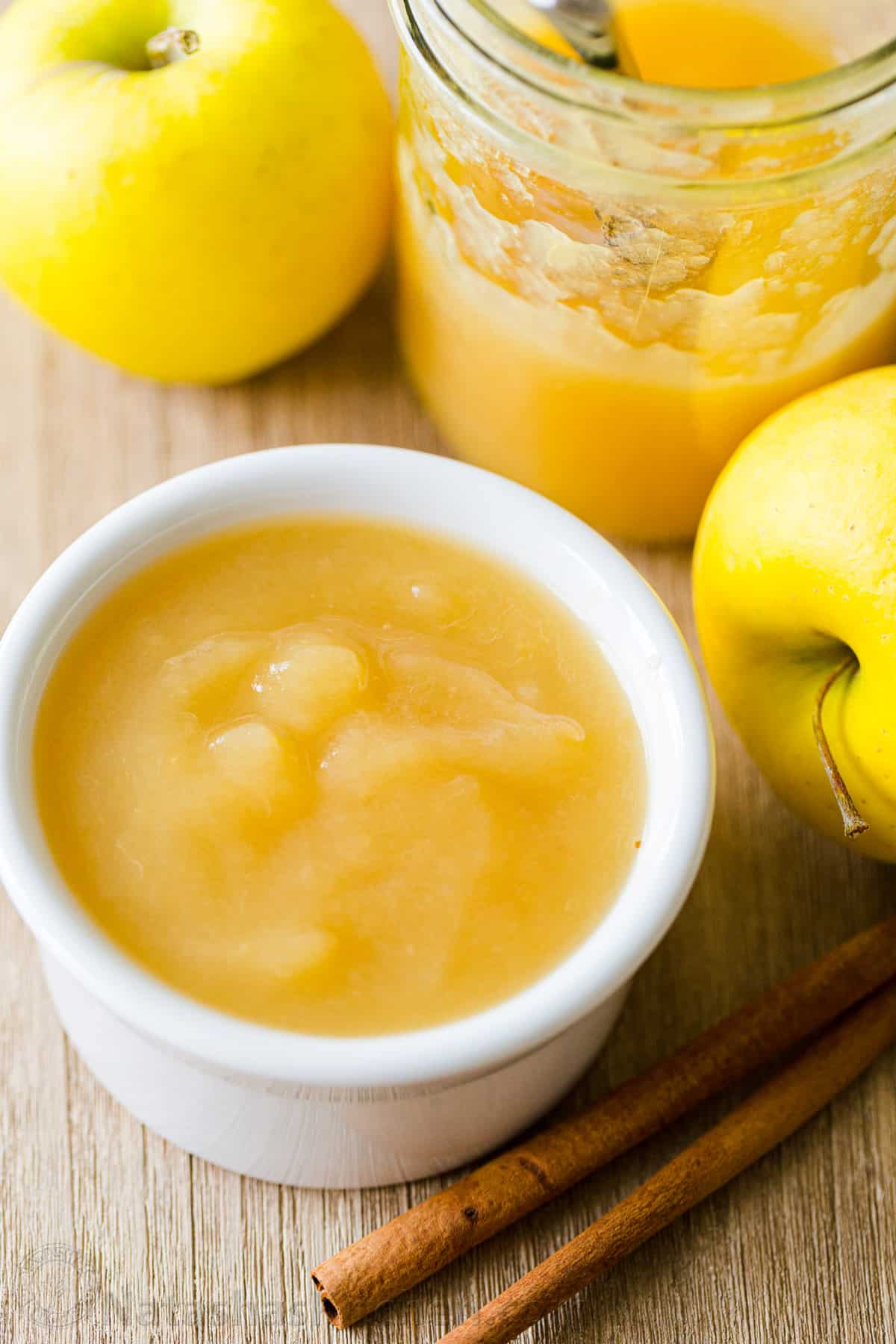
There's something truly magical about the aroma of apples and warm spices wafting through your kitchen. It's the scent of comfort, nostalgia, and pure deliciousness. If you've ever settled for store-bought applesauce, prepare to have your culinary world rocked. Learning how to make homemade applesauce is not only incredibly simple, but it yields a product so far superior to anything you'll find on a shelf that you’ll wonder why you ever waited!
Every batch of homemade applesauce serves as a delicious reminder of why simple, fresh ingredients are always best. It’s an effortless culinary triumph that consistently outshines its mass-produced counterparts in flavor, texture, and overall satisfaction.
The Unbeatable Taste of Homemade Applesauce
What makes homemade applesauce so incredibly good? It boils down to a few key factors:
- Freshness You Can Taste: Unlike store-bought versions that often contain preservatives and added sugars to extend shelf life, your homemade sauce uses ripe, fresh apples and minimal additions. This allows the natural, vibrant flavor of the fruit to truly shine.
- Customization is King: You control every aspect, from the sweetness level to the spice blend, and even the texture. Do you like it chunky with discernible apple pieces, or silky smooth? With homemade, the choice is yours.
- Aromatic Experience: The process of cooking apples with cinnamon and perhaps a hint of nutmeg transforms your kitchen into an inviting sanctuary. The incredible scent alone is worth the small effort!
- Wholesome Goodness: Knowing exactly what goes into your applesauce means you can avoid artificial flavors, high-fructose corn syrup, and unnecessary additives, making it a healthier choice for you and your family.
Once you experience the rich, nuanced flavors of applesauce made from scratch, it's hard to go back. It becomes a staple you’ll want to make again and again.
Getting Started: Choosing Your Apples and Essential Ingredients
The foundation of any great applesauce is, naturally, great apples. But don't feel intimidated; flexibility is a hallmark of this recipe!
Selecting the Perfect Apples for Your Sauce
While some recipes might suggest specific varieties, the truth is that the best apples for applesauce are often the ones you enjoy eating and have on hand. Don't be afraid to experiment! A blend of varieties can often yield the most complex and satisfying flavor profile. Consider:
- Sweet Varieties: Apples like Honeycrisp, Fuji, Gala, and Golden Delicious will produce a naturally sweeter sauce, potentially requiring less added sweetener. They break down beautifully and offer a delightful aroma.
- Tart Varieties: Granny Smith, Braeburn, and Pink Lady add a wonderful tang that can balance the sweetness and prevent the sauce from being cloying. Their acidity also brightens the overall flavor.
- Combination is Key: Many experienced cooks recommend using a mix of sweet and tart apples (e.g., 2 parts sweet to 1 part tart). This creates a well-rounded flavor that is neither too sugary nor too sharp.
- Don't Waste: Apples that are slightly bruised or past their prime for fresh eating are perfect candidates for applesauce. This is a fantastic way to prevent food waste!
A note on peels: You might be surprised to learn that you don't necessarily need to peel your apples! Cooking apples with their skins on adds extra color, depth of flavor, and even some nutritional benefits. The peels soften during cooking and can be easily removed later if you prefer a smoother texture, or blended right in for extra fiber and a rustic look.
Beyond Apples: The Supporting Cast
Beyond the fruit itself, you only need a few simple ingredients to craft your delicious homemade applesauce:
- Water: About ¾ cup of water (or even apple cider for an extra layer of apple flavor) is typically enough to get the cooking process started and prevent sticking. The apples will release their own juices as they cook.
- Sweetener (Optional & To Taste): While some naturally sweet apples require no additional sugar, having options on hand is good. Brown sugar adds a lovely caramel note, while maple syrup or honey provide natural, nuanced sweetness. Remember, taste before you add too much!
- Spices: Ground cinnamon is the classic choice, lending warmth and a familiar fragrance. For a more complex flavor, consider a pinch of nutmeg, allspice, or even a tiny whisper of ground cloves.
- Lemon Juice: A squeeze of fresh lemon juice serves a dual purpose: it brightens the flavor of the apples and helps prevent the applesauce from browning excessively, keeping its appealing color.
Step-by-Step Guide: How to Make Homemade Applesauce on the Stovetop
This simple stovetop applesauce recipe is incredibly forgiving and yields fantastic results every time.
Preparing Your Apples
- Wash Thoroughly: Rinse your apples under cold water to remove any dirt or residue.
- Core and Chop: Using an apple corer or a paring knife, remove the core from each apple. Then, chop the apples into roughly 1-inch pieces. Don't worry too much about perfection here, but try to keep the pieces relatively uniform in size for even cooking. Remember, you can leave the peels on for extra flavor and color!
The Cooking Process
- Combine Ingredients: In a large, heavy-bottomed pot or Dutch oven, combine your chopped apples, the specified amount of water (or cider), your chosen spices (like cinnamon), and a splash of lemon juice.
- Cover and Cook: Place the pot over medium heat, cover it with a lid, and let the apples simmer. The steam trapped under the lid will help them break down quickly and efficiently.
- Stir Occasionally: Cook for about 15 to 20 minutes, stirring occasionally to prevent sticking and ensure all apples cook evenly. The apples are ready when they are very tender and easily pierced with a fork.
- Cool Slightly: Once tender, remove the pot from the heat and let the apple mixture cool slightly before moving on to the next step. This makes it safer to handle and process.
Customizing Sweetness and Flavor
This is where your palate comes into play! Apples vary greatly in natural sweetness. Once your apples have cooked down, taste the mixture. If you're using tart apples or simply prefer a sweeter sauce, now is the time to add your chosen sweetener. Start with a tablespoon or two of brown sugar, maple syrup, or honey, stir it in, and taste again. Repeat until you reach your desired level of sweetness. Remember, you can always add more, but you can't take it away!
Achieving Your Desired Texture
The texture of your homemade applesauce is entirely up to personal preference, and there are several ways to achieve it. This flexibility is one of the joys of learning how to make homemade applesauce exactly to your liking:
- Chunky Applesauce: For a rustic, chunky texture, simply use a potato masher or a fork to mash the cooked apples directly in the pot. Mash until you reach your preferred consistency, leaving some delightful apple chunks intact.
- Smooth Applesauce: If you desire a silky-smooth sauce, you have a few options:
- Blender or Food Processor: Carefully transfer the slightly cooled apple mixture to a blender or food processor. Blend until smooth. Be cautious when blending hot liquids, and work in batches if necessary, leaving the lid slightly ajar to allow steam to escape.
- Food Mill: A food mill is an excellent tool, especially if you cooked your apples with the peels on. It effortlessly separates the cooked skins and seeds from the pulp, resulting in a beautifully smooth applesauce with vibrant color.
- Fine Mesh Strainer: If you don't have a food mill but cooked with peels, you can press the cooked apples through a fine mesh strainer using the back of a spoon. This will also separate the peels, leaving you with smooth sauce.
- Peel-On vs. Peel-Off: If you prioritize ultimate smoothness and don't want to bother with a food mill or strainer, simply peel your apples before cooking. This will automatically result in a smoother texture without extra steps. However, remember you'll miss out on some of the extra color and nutrients the peels provide.
For an adventurous twist, consider mixing in other fruits like cranberries or plums during the cooking process for a unique flavor blend!
Tips for the Best Homemade Applesauce Experience
- Make a Big Batch: It’s so good, you’ll want plenty! Homemade applesauce freezes beautifully. Simply portion it into freezer-safe containers or bags, leaving a little headspace for expansion. It will last for several months. For longer storage, consider canning.
- Storage: Once cooled, transfer your homemade applesauce to airtight containers and store it in the refrigerator for up to 1-2 weeks.
- Serving Suggestions: Applesauce is incredibly versatile. Enjoy it warm or cold on its own, as a side dish with roasted pork or chicken, stirred into yogurt or oatmeal, or as a natural sweetener in baked goods. It’s also a delicious topping for pancakes or waffles.
- Flavor Variations: Beyond cinnamon, try adding a touch of vanilla extract after cooking, or experiment with a pinch of cardamom or ginger for an exotic twist. A tiny bit of apple cider vinegar can also enhance brightness.
- Safety First: Always allow your applesauce to cool significantly before processing it in a blender or food processor. The steam from hot liquids can build pressure and cause the lid to blow off, leading to burns.
Learning how to make homemade applesauce is one of those simple kitchen skills that delivers immense gratification. From the incredible aromas that fill your home to the customizable flavors and textures, it’s a culinary journey well worth taking. So, grab a basket of apples, a few spices, and get ready to enjoy a treat that truly tastes better than anything you can buy at the store. Your taste buds (and your kitchen) will thank you!
