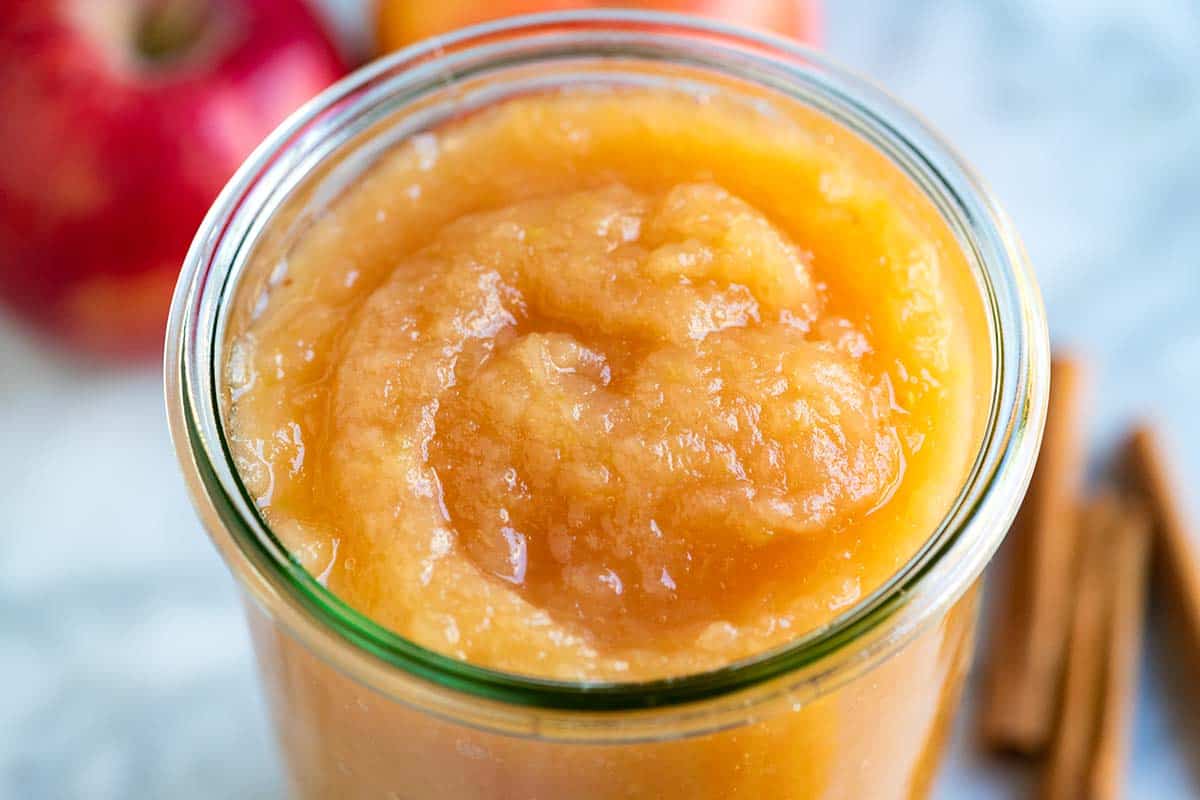
There's something truly magical about the aroma of cinnamon-spiced apples simmering gently on your stovetop. It conjures feelings of warmth, comfort, and home, and the resulting taste? Absolutely incomparable to anything you'll find in a jar at the grocery store. If you've ever wondered how to make homemade applesauce that truly knocks your socks off, you're in the right place. This comprehensive guide will walk you through every step, focusing not just on the ingredients, but on how to achieve that perfect, personalized texture that makes homemade truly special.
Making your own applesauce is not only incredibly satisfying but also surprisingly simple. It’s a kitchen project that delivers immense flavor payoff for minimal effort, often making you wonder why you waited so long to try it. Forget bland, watery store-bought versions; get ready for a vibrant, flavorful experience that's entirely customizable to your palate and preference. Let's dive into creating a batch so good, it might just become your new household staple. For those new to the game, consider starting with our Easy Homemade Applesauce: Tastes Better Than Store-Bought for a simple entry point.
Choosing Your Apples: The Foundation of Flavor
The journey to perfect homemade applesauce begins with the apples themselves. While it's true that almost any apple can be transformed into delicious applesauce, just like our guide to Simple Stovetop Applesauce: Use Any Apple, Get Delicious Flavor suggests, choosing the right varieties can elevate your creation from good to extraordinary. The general rule of thumb? Use apples you genuinely enjoy eating. Beyond that, consider these tips:
- Sweetness and Tartness Balance: The best applesauce often comes from a blend of sweet and tangy apples. Sweet varieties like Honeycrisp, Fuji, Gala, and Golden Delicious provide a natural sweetness, often reducing or eliminating the need for added sugar. Tangy apples such as Granny Smith, Braeburn, Pink Lady, or McIntosh contribute a wonderful brightness and complexity that prevents the sauce from being cloyingly sweet.
- Texture Matters: Softer apples (like McIntosh or Golden Delicious) will break down more quickly, yielding a smoother sauce with less effort. Firmer apples (like Honeycrisp or Granny Smith) will maintain a bit more structure, offering a slightly chunkier result if not processed further.
- What You Have On Hand: Don't feel pressured to buy specific apples if you have a bounty that needs using up. A mix of whatever varieties are available in your fruit bowl or orchard will still produce a delightful applesauce, showcasing the beauty of seasonal produce.
Experimenting with different combinations is part of the fun! You might find your ideal blend is two parts sweet to one part tart, or perhaps an even split. This initial choice is crucial for establishing the base flavor profile of your homemade applesauce.
The Stovetop Method: Simple Steps for Incredible Results
The stovetop method is by far the most popular and straightforward approach to making applesauce. It requires minimal equipment and delivers consistently delicious results. Here's how to master it:
Gather Your Ingredients:
- Apples: Washed, cored, and roughly chopped. Decide now if you want to peel them or leave the skins on (more on this in the texture section).
- Water: About ½ to ¾ cup for every 4-5 medium apples. This creates steam and prevents sticking.
- Spices: Ground cinnamon is a classic and highly recommended. You can also add a pinch of nutmeg, allspice, or ground cloves for extra warmth.
- Lemon Juice: A tablespoon or two of fresh lemon juice brightens the flavor, helps prevent the apples from browning excessively, and balances sweetness.
- Sweetener (Optional): Have honey, maple syrup, or brown sugar on standby, but remember, you'll taste test before adding.
Cooking Process:
- Combine in a Large Pot: Place your chopped apples, water, spices, and lemon juice into a large, heavy-bottomed pot. Using a single large pot is key for even cooking.
- Cover and Cook: Bring the mixture to a gentle boil, then reduce the heat to medium-low, cover the pot tightly, and let it simmer. Cook until the apples are incredibly soft and easily pierced with a fork – this usually takes about 15-25 minutes, depending on the apple variety and chop size. Stir occasionally to ensure even cooking and prevent sticking.
- Cool Slightly: Once the apples are fork-tender, remove the pot from the heat and let the mixture cool for a few minutes. This makes it safer and easier to handle for the next step.
This simple stovetop method truly unlocks the potential of fresh apples, preparing them perfectly for the next crucial stage: achieving your desired texture.
Crafting Your Ideal Texture: From Chunky to Silky Smooth
This is where homemade applesauce truly shines and differentiates itself from its store-bought counterparts. You have complete control over the final consistency. The choice often comes down to personal preference and how you plan to use your applesauce.
For a Delightfully Chunky Applesauce:
If you love a rustic, hearty texture with discernible apple pieces, this is your method. After the apples have cooked and cooled slightly:
- Mash Manually: Use a potato masher, a large fork, or even a sturdy wooden spoon directly in the pot. Mash until you reach your desired consistency, leaving as many or as few chunks as you like. This method is incredibly easy and quick, perfect for those who enjoy a bit of chewiness in every spoonful.
- Keep the Peels On (Optional): If you didn't peel your apples, mashing will integrate some of the softened peel, adding more fiber, color, and a slightly rougher, more "wholesome" texture.
For a Smooth-but-Textured Applesauce (Skins Blended In):
Many prefer a smooth texture but want to retain the nutrients, color, and subtle flavor that comes from keeping the apple peels on. For this:
- Use a Blender or Food Processor: Carefully transfer the cooked apple mixture (in batches if necessary) to a high-speed blender or food processor. Pulse or blend until you achieve a smooth consistency. The peels will be pulverized and blended into the sauce, giving it a slightly thicker feel and a richer color, especially with red-skinned apples.
- Pros & Cons: This method is fast and efficient. The "con" for some might be the very fine flecks of peel that remain, which are virtually unnoticeable to most but might not be considered "silky smooth" by others.
For a Silky Smooth Applesauce (Skins Removed):
If you desire an ultra-smooth, velvety applesauce reminiscent of baby food (but infinitely more delicious!), removing the skins after cooking is the way to go.
- The Food Mill Method: A food mill is arguably the best tool for this. It simultaneously purees the apples and separates the skins and seeds. Simply pass the cooked apples through a food mill fitted with a medium disk. This produces an incredibly consistent, smooth texture with minimal effort.
- Fine Mesh Strainer: If you don't have a food mill, you can push the cooked apple mixture through a fine-mesh strainer using a rubber spatula or the back of a ladle. This requires a bit more elbow grease but yields similar silky results.
- Peel First: The simplest way to guarantee a silky smooth applesauce without extra steps is to peel the apples *before* cooking them. While you might miss out on a tiny bit of color and flavor contribution from the peels during cooking, it makes the post-cooking processing significantly easier.
Each method offers a distinct experience, so don't hesitate to experiment until you find your personal favorite.
Sweetening and Enhancing Your Homemade Creation
Once you've achieved your desired texture, it's time for the final, crucial step: tasting and adjusting the flavor. This is a highly personal stage, as the natural sweetness of your chosen apples varies greatly.
Taste Test Before Sweetening:
Always taste your applesauce before adding any sweetener. You might be surprised by how naturally sweet and delicious it already is, especially if you used sweeter apple varieties. Letting it cool slightly before tasting gives you a more accurate sense of the final flavor profile.
Balancing Sweetness and Tartness:
- Natural Sweeteners: If your applesauce needs a little boost, natural sweeteners like honey or maple syrup are excellent choices, imparting a lovely depth of flavor beyond just sweetness. Start with a tablespoon or two, stir well, and taste again.
- Brown or White Sugar: Brown sugar adds a subtle caramel note that complements apples beautifully. White granulated sugar is a neutral option if you simply want sweetness without additional flavor complexities.
- Lemon Juice for Brightness: If your applesauce feels a bit flat or too sweet, a splash more lemon juice can work wonders to brighten and balance the flavors.
Spice it Up:
While cinnamon is a staple, consider these additions:
- Nutmeg & Allspice: A pinch of these can add a deeper, warmer spice profile.
- Vanilla Extract: A teaspoon of pure vanilla extract stirred in at the end can elevate the flavor and aroma significantly.
Creative Mix-ins:
Homemade applesauce is also a fantastic base for incorporating other fruits for unique flavor combinations. Try adding:
- Cranberries: For a festive, tart-sweet sauce.
- Rhubarb or Plums: These can add a delightful tang and beautiful color.
- Pears: A sweet complement to apples, creating a lovely apple-pear sauce.
Conclusion
Learning how to make homemade applesauce is a simple yet incredibly rewarding culinary skill. From selecting the perfect blend of apples to customizing its texture and fine-tuning its sweetness, every step allows for personal expression and delivers a product far superior to anything store-bought. The incredible aroma filling your kitchen and the vibrant, fresh taste of your own creation are testaments to the magic of simple ingredients and a little effort. So, grab your favorite apples, embrace the stovetop, and prepare to enjoy the perfect batch of homemade applesauce, tailored exactly to your liking. It’s more than just a snack; it’s a taste of pure comfort.
