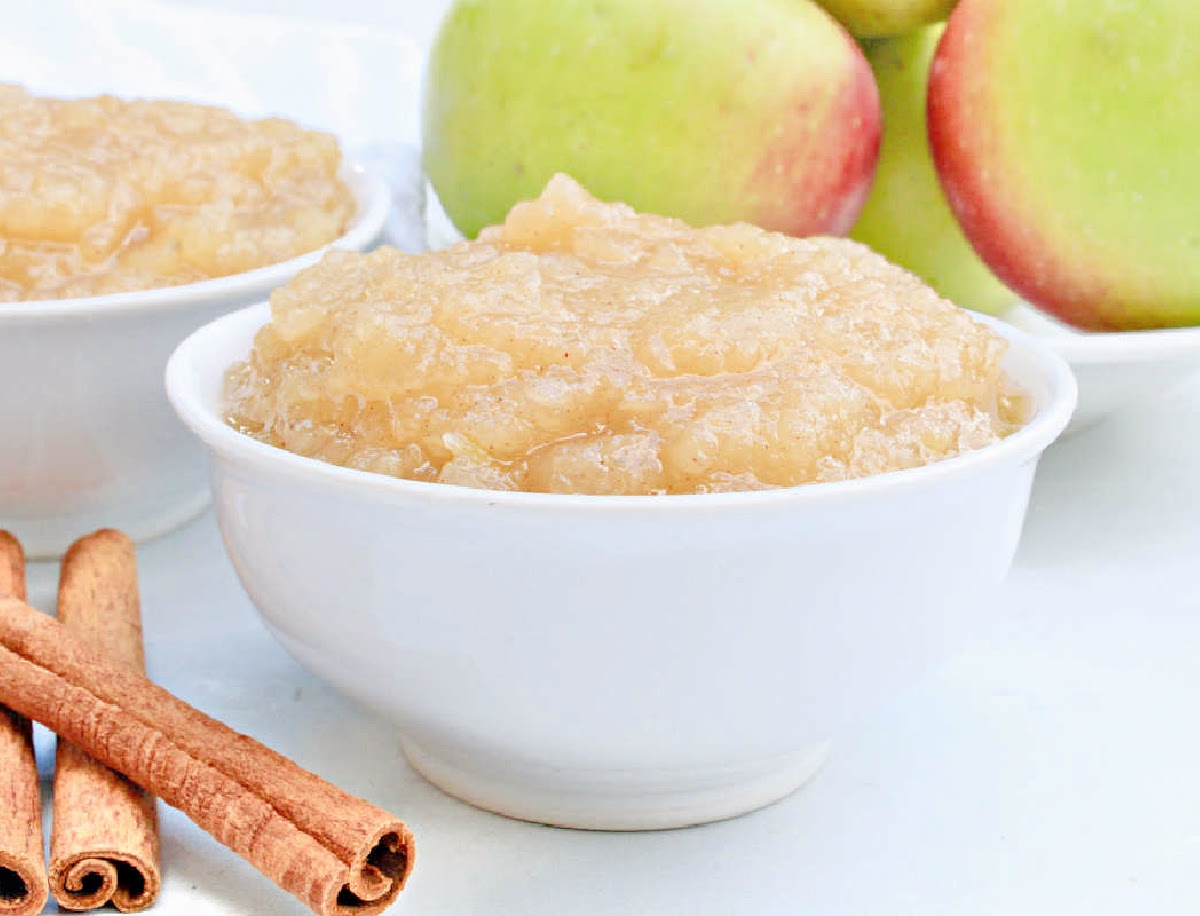
Simple Stovetop Applesauce: Use Any Apple, Get Delicious Flavor
Ever wondered how to capture that quintessential taste of autumn in a jar, right in your own kitchen? The answer is simpler and more satisfying than you might imagine. Learning how to make homemade applesauce from scratch on your stovetop is not only incredibly easy, but it also transforms humble apples into a gourmet experience that store-bought versions simply can't match. Imagine the incredible aroma wafting through your home as a batch simmers – it's a sensory delight that signals comfort and good food.
This comprehensive guide will walk you through everything you need to know to create your own delicious applesauce, using any apples you have on hand. From choosing the best varieties (or simply using what you've got!) to perfecting the texture and sweetness, we'll ensure your homemade batch is a resounding success. Prepare to be amazed at how a few simple ingredients and a little time can yield such profoundly delicious results.
Why Homemade Applesauce Reigns Supreme Over Store-Bought
If you're accustomed to the commercially produced applesauce from the grocery store, prepare to have your socks knocked off. The difference in flavor, freshness, and quality between homemade and store-bought is truly astonishing. There are several compelling reasons why taking a few minutes to make your own is an endeavor you won't regret:
- Unparalleled Flavor: Homemade applesauce boasts a vibrant, fresh apple flavor that often gets lost in mass production. You control the nuances, allowing the natural sweetness and tartness of the apples to shine through.
- Control Over Ingredients: Say goodbye to high-fructose corn syrup, artificial preservatives, and excessive added sugars. When you make it yourself, you dictate exactly what goes into your pot. You can adjust the sweetness to your personal preference, often finding that naturally sweet apples require little to no extra sugar.
- Incredible Aroma: The process of cooking apples with a hint of cinnamon fills your kitchen with an unbelievably warm and inviting fragrance that instantly makes your home feel cozier. It's an aromatherapy session disguised as cooking!
- Cost-Effective: Especially when apples are in season or on sale, making your own applesauce can be significantly cheaper than buying pre-packaged jars, especially if you’re going for organic or specialty brands.
- Customizable Texture & Sweetness: Whether you prefer a chunky, rustic sauce or a silky-smooth puree, homemade allows you to achieve your desired consistency. Similarly, you can make it as sweet or tart as you like.
Once you experience the rich, authentic taste of homemade applesauce, you'll likely kick yourself for not making it sooner. For more insights into why making it yourself is such a game-changer, check out our article on Easy Homemade Applesauce: Tastes Better Than Store-Bought.
Choosing Your Apples: From Orchard to Applesauce Pot
One of the most liberating aspects of making applesauce from scratch is its incredible versatility when it comes to apple varieties. While some recipes might suggest specific types, the truth is, you can use any apples you enjoy eating! This makes it a fantastic way to utilize a bounty from the orchard, a farmers' market haul, or even those last few apples lingering in your fruit bowl that need to be used up.
Sweet vs. Tart: Finding Your Perfect Balance
For the absolute best flavor, many home cooks recommend using a combination of sweet and tangy apple varieties. The tartness from certain apples provides a bright counterpoint to the natural sweetness, creating a more complex and well-rounded flavor profile. However, if you only have one type on hand, don't hesitate! Your applesauce will still be delicious.
Here are some popular choices for applesauce, categorized by their primary flavor profile:
- Sweet Varieties:
- Honeycrisp: Crisp, juicy, and famously sweet.
- Fuji: Very sweet and crunchy, with a balanced flavor.
- Gala: Mildly sweet and aromatic.
- Golden Delicious: Sweet and tender, cooks down beautifully.
- Tangy/Tart Varieties:
- Granny Smith: A classic tart apple, excellent for providing a bright zing.
- Braeburn: A good balance of sweet and tart, firm texture.
- Pink Lady (Cripps Pink): Sweet-tart with a crisp bite.
- McIntosh: Soft, juicy, and tart, great for breaking down quickly.
Pro Tip: If you use predominantly sweet apples, you might find you don't need to add any extra sweetener. If you opt for mostly tart apples, a touch of honey, maple syrup, or brown sugar at the end can help balance the flavors perfectly.
The Simple Stovetop Method: Your Step-by-Step Guide
Making applesauce on the stovetop is a straightforward process that requires minimal fuss. Here's how to turn a pile of fresh apples into golden, fragrant applesauce:
Ingredients You'll Need:
- 4-6 pounds of apples (a mix is great, but any will do)
- ½ to ¾ cup water (start with less, add more if needed)
- 1-2 tablespoons fresh lemon juice (helps prevent browning and brightens flavor)
- ½ teaspoon ground cinnamon (or to taste, optional)
- Optional sweeteners: brown sugar, maple syrup, or honey (to taste, added at the end)
Equipment:
- A large, heavy-bottomed pot or Dutch oven
- A sturdy spoon or spatula for stirring
- A potato masher, fork, food mill, blender, or food processor for mashing/pureeing
Step-by-Step Instructions:
- Prepare Your Apples: Wash the apples thoroughly. You can peel them or leave the skins on – it's entirely up to you! Leaving the skins on adds a lovely pinkish hue, extra fiber, and some nuanced flavor, but you can remove them later if you prefer a smoother texture. Core the apples and chop them into roughly 1-inch pieces. The size doesn't need to be exact, but consistent pieces will cook more evenly.
- Combine in the Pot: Place the chopped apples in your large pot. Add the water, lemon juice, and cinnamon (if using). The water creates steam to help the apples soften and prevents scorching.
- Cook Until Tender: Cover the pot with a lid and cook over medium heat. Bring the mixture to a gentle simmer, then reduce the heat to medium-low. Cook for about 15-20 minutes, stirring occasionally, until the apples are very tender and easily pierced with a fork. The cooking time will vary depending on the apple variety and how finely they were chopped.
- Cool Slightly: Once the apples are soft, remove the pot from the heat and let the mixture cool slightly for about 10-15 minutes. This makes it easier and safer to handle for the next step.
- Mash or Blend to Your Desired Texture: Now comes the fun part!
- For a Chunky Sauce: Use a potato masher or a sturdy fork to mash the apples directly in the pot until you reach your preferred consistency.
- For a Smooth Sauce: For a super smooth texture, carefully transfer the cooked apples to a food mill (which will also remove most of the skins) or a blender/food processor. Blend until smooth. If using a blender, work in batches and be careful with hot liquids, ensuring the lid has a vent to release steam. If you left the skins on but want them removed, you can pass the sauce through a fine-mesh strainer after blending.
Achieving your ideal texture is key to great applesauce. For more detailed tips on getting that perfect consistency, from rustic to velvety smooth, explore our guide on Perfect Homemade Applesauce: Tips for Your Preferred Texture.
- Taste and Adjust Sweetness: This is a crucial step! Taste your applesauce. If you used sweeter apples, you might find it perfectly balanced. If you prefer it sweeter, or if you used tart apples, gradually stir in brown sugar, maple syrup, or honey, a tablespoon at a time, until it reaches your desired sweetness.
Customizing Your Applesauce: Flavor & Texture to Your Liking
The beauty of homemade applesauce lies in its incredible adaptability. Once you have the basic technique down, you can experiment with flavors and textures to create a truly unique signature sauce.
Enhancing the Flavor Profile:
- Spices Beyond Cinnamon: While cinnamon is a classic for a reason, don't be afraid to branch out! Try a pinch of nutmeg, a dash of ground cloves, a touch of allspice, or even a hint of cardamom. A very small amount of fresh ginger, grated, can also add a delightful warmth.
- A Zest of Citrus: In addition to lemon juice, a little lemon zest grated into the applesauce can add a bright, aromatic lift that truly makes the flavor pop.
- Vanilla Extract: A teaspoon of pure vanilla extract added at the end can round out the flavors and add a subtle sweetness.
- A Dash of Salt: A tiny pinch of salt (seriously, just a pinch!) can actually enhance the sweetness and overall flavor, just like in baking.
Texture Talk: Chunky vs. Smooth:
As mentioned in the steps, you have complete control over the texture. Some people adore the rustic charm of chunky applesauce, with small pieces of apple still discernible. Others prefer a velvety, uniform puree. If you're aiming for a super smooth sauce and want to remove all traces of peel, a food mill is an excellent tool. Alternatively, using a high-speed blender and then pushing the sauce through a fine-mesh sieve will achieve similar results.
Beyond the Apple: Creative Add-Ins:
While apple is the star, you can introduce other fruits for exciting variations. Consider adding:
- Cranberries: A handful of fresh or frozen cranberries cooked with the apples will add a beautiful tartness and vibrant color.
- Rhubarb: For a tangy, spring-inspired sauce, add chopped rhubarb to the pot.
- Plums or Pears: These fruits cook down similarly to apples and can add lovely depth and sweetness.
- Berries: A cup of blueberries, raspberries, or blackberries can create a delightful fruit medley applesauce.
Experimentation is key! Start with small additions and taste as you go to discover your favorite combinations.
Tips for Perfection and Storage
To ensure your homemade applesauce is always a triumph, keep these additional tips in mind:
- Don't Overcook: While apples need to be tender, overcooking can sometimes lead to a slightly watery sauce and a loss of fresh apple flavor. Stop cooking as soon as they are easily mashed.
- Use a Large Pot: A large, wide pot allows for better heat distribution and prevents the apples from crowding, ensuring they cook evenly. It also provides ample room for stirring without spills.
- Taste, Taste, Taste: This applies to both sweetness and spice. Apples vary greatly in their natural sugar content. Always taste your applesauce after it's cooked and cooled slightly before adding any sweetener. Adjust spices likewise.
- Adjust Tartness with Lemon Juice: If your applesauce tastes a bit flat, a little extra lemon juice can brighten it up.
Storing Your Homemade Applesauce:
Once your applesauce is cooked and cooled, you'll need to store it properly to enjoy it for days or even months:
- Refrigeration: Transfer the cooled applesauce to airtight containers or jars. It will keep well in the refrigerator for up to a week.
- Freezing: For longer storage, applesauce freezes beautifully. Allow it to cool completely, then transfer it to freezer-safe containers, leaving about ½ inch of headspace (as liquids expand when frozen). It can be stored in the freezer for up to 3-4 months. Thaw in the refrigerator overnight before serving.
- Canning: For truly long-term, shelf-stable storage, you can process applesauce in a boiling water canner. This is a more advanced method, so follow specific, tested canning recipes and guidelines carefully.
Homemade applesauce is incredibly versatile. Enjoy it warm or cold as a side dish with pork or chicken, stir it into oatmeal or yogurt, serve it over pancakes or waffles, or simply enjoy it by the spoonful as a healthy snack. It's also a fantastic substitute for oil or butter in many baking recipes!
Conclusion
Learning how to make homemade applesauce is a rewarding culinary adventure that promises incredible flavor, a comforting kitchen aroma, and complete control over your ingredients. It's a simple, economical, and deeply satisfying way to enjoy one of nature's most beloved fruits. By following these straightforward stovetop steps and experimenting with the tips for customization, you'll be creating batches of delicious, wholesome applesauce that far surpass anything you can buy. So, gather your apples, embrace the ease of the stovetop, and prepare to delight your taste buds with the pure, unadulterated goodness of homemade applesauce.
